
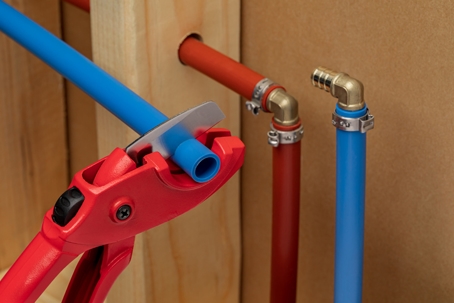
If your home in the greater Dallas-Fort Worth (DFW) area is a little older, you might be thinking about upgrading or replacing some of your water supply lines. If so, you're not alone! Older homes often have older pipes, and knowing when to replace them can save you from a major headache (and water bill) down the line. But what material should you choose for the upgrade? The classic choice used to be copper pipes, but now there's a popular new kid on the block called PEX pipes. Don't worry if you've never heard of PEX—we're here to break down the pros and cons of both materials so you can feel confident making the best long-term investment for your home.
Feeling uneasy about your older home's pipes after a few cold snaps? Don't wait until a small leak becomes a massive issue. Get in touch with the friendly, trusted plumbing pros at Rescue Air and Plumbing today to discuss a preventative inspection or get a quote. You can reach us online through our contact form or simply give us a call at (972) 201-3253.
What's the Big Deal with PEX?
PEX stands for cross-linked polyethylene. In plain language, it's a type of strong, flexible plastic tubing. It's been used safely in Europe for decades and has become a very popular choice for plumbing in new construction and repiping projects here in the U.S.
The reason PEX is becoming so popular, especially in places like DFW that can get hit with sudden freezing temperatures, has a lot to do with its unique properties.
PEX Pros: The Flexible Friend
One of the biggest advantages of PEX piping is its flexibility. Because it can bend around corners and obstacles, it requires fewer joints and fittings than traditional copper. Fewer connections means fewer spots where a leak can potentially start!
Here are a few other reasons DFW homeowners are loving PEX:
- Less Prone to Bursting in Cold: This is a major benefit for DFW homes. When water freezes, it expands. Unlike rigid copper, PEX can actually stretch a bit when the water inside it freezes. This flexibility means it's less likely to split or burst when temperatures drop, offering an extra layer of protection during a sudden Texas cold snap.
- Cost-Effective: PEX is typically less expensive to buy than copper. Since it's easier and faster for a plumber to install (it's not welded together like copper), the total installation cost for a major project like a whole-home repiping job often ends up being lower.
- Resistant to Scale and Corrosion: PEX won't corrode, rust, or develop pinhole leaks over time, which can sometimes be an issue with copper, especially if you have acidic water.
- Quiet Operation: Unlike copper, which can sometimes transmit the sound of rushing water, PEX is much quieter.
PEX Cons: What to Keep in Mind
No material is perfect, and PEX has a few drawbacks you should know about:
- UV Sensitivity: PEX can degrade if it's exposed to sunlight for a long period of time. This isn't usually a problem inside the walls of your home, but it means PEX can't be used for outdoor runs where it's not protected.
- Pest Concerns: While rare, rodents have occasionally been known to chew through PEX if it's easily accessible in basements or crawlspaces.
- Connectors: While the pipe itself is durable, the fittings and connections used to join PEX to fixtures and other pipes must be installed correctly to avoid leaks. This is why trusting an experienced plumber for your repiping is always the smart choice.
Copper Pipes: The Time-Tested Classic
For decades, copper pipes were considered the gold standard for residential plumbing. They've been a reliable choice for generations and are likely what you have in your home right now, especially if it was built before the 1990s.
Copper Pros: The Reliable Veteran
When you choose copper, you're choosing a material with a long and proven track record. It’s a very durable and sturdy option.
The top benefits of sticking with copper include:
- Long Lifespan: With proper maintenance, copper pipes can easily last for 50 years or more.
- Rigid and Sturdy: Copper is naturally very rigid, meaning it can be easily secured to run perfectly straight. It's also suitable for both above-ground and underground use.
- Non-Toxic: Copper is a natural element that doesn't pose any health risks. It won't break down or release any chemicals into your water supply.
- Heat Resistance: Copper is highly resistant to heat and can handle temperatures that might cause certain plastic pipes to warp or break down.
Copper Cons: Where It Falls Short
While copper is a great material, it does come with a few downsides, particularly when compared to PEX:
- Higher Cost: Copper is a commodity, meaning its price fluctuates and is generally much higher than PEX. This translates to a more expensive total project cost.
- Prone to Freezing Damage: Since copper is rigid, it cannot expand much when water freezes. This is why copper pipes are more likely to split or burst during the hard freezes that can occasionally surprise DFW.
- Vulnerable to Corrosion and Pinhole Leaks: Depending on your home's water quality, copper can be susceptible to corrosion over time. This can lead to small, difficult-to-detect pinhole leaks that slowly cause water damage behind your walls.
- Installation is Labor-Intensive: Copper pipes must be joined together using a process called soldering (welding with heat). This takes more time, skill, and specialized tools, which adds to the overall cost of a major project like a whole-home repiping service.
Making the Best Choice for Your DFW Home
So, which pipe is the right fit for your home? The truth is, both PEX and copper are excellent materials for residential plumbing. The "best" one depends entirely on your specific budget, home, and priorities.
To help you weigh your options, here is a quick comparison of PEX versus copper on the most important points for DFW homeowners:
- Cost: PEX piping is typically lower in material cost, and because it’s quicker to install, you usually save money on labor compared to copper, which requires more expensive materials and complex soldering.
- Installation: PEX is more flexible and can be installed much faster and easier by a professional plumber. Copper requires precise measurements and soldering (welding with heat), making installation more complex.
- Freeze Resistance: This is a big one for DFW. PEX has a higher resistance to freezing damage because it can stretch slightly when water expands. Copper is rigid and is much more prone to bursting during a hard freeze.
- Corrosion and Scale: PEX is completely resistant to rust, corrosion, and scale buildup. Copper can be susceptible to pinhole leaks and corrosion over many years, depending on your water quality.
- Lifespan: Both materials offer a very long life. Copper has a proven track record of lasting 50 years or more. While PEX is newer, it has proven durability and is expected to last just as long, with warranties commonly covering 25 years.
For most DFW homeowners looking for a balance of cost-effectiveness, reliability, and superior protection against potential freeze damage, PEX pipes have emerged as the leading choice for a repiping project. However, if having the classic, time-tested material and the ability to run pipes outdoors are your main priorities, copper is still a solid option.
Regardless of which material you prefer, the most important thing is that the job is done right by a licensed and experienced plumber. Whether it's a small repair or a full home repiping service, the quality of the installation matters more than the material itself.
Need to Talk Pipes? We're Ready to Help!
If you're noticing low water pressure, discolored water, or constantly dealing with minor pipe leaks, it might be time to think seriously about a repiping service. Don't let your water supply lines become the weak link in your home!
At Rescue Air and Plumbing, we believe in giving you all the information you need, answering your questions honestly, and helping you make the best decision for your home and budget. We’re your friendly, local plumbing experts, and we’re here to help you get the peace of mind you deserve.
Ready to explore your options for upgrading your home's water lines? Learn more about our home repiping service today! Give us a call at (972) 201-3253 or request an appointment on our website. We're always here to lend a hand.