
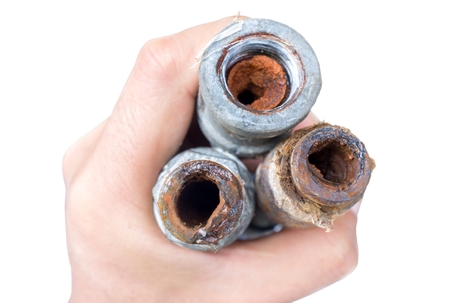
If you live in one of the many beautiful older homes in the Dallas-Fort Worth area, you know that charm sometimes comes with a few quirks. Maybe your floors squeak a little, or maybe—just maybe—your shower pressure isn’t quite what it used to be. While some vintage features are timeless, your plumbing pipes aren't one of them. If you’re dealing with leaks or low water pressure, the culprit might just be the pipe material itself.
Not sure what’s hiding behind your walls? Don’t wait for a leak to surprise you! Call the friendly team at Rescue Air and Plumbing today at (972) 201-3253 or reach out via our contact form to schedule a plumbing inspection. We’re here to help you protect your home with honest advice and zero stress.
Polybutylene Pipes: The Not-So-Flexible Plastic
If your home was built between the mid-70s and the mid-90s, you might have heard the term "polybutylene pipes" (or just "poly" for short). For a while, this was considered a miracle material because it was cheap and easy to install.
However, it was eventually discovered that poly pipes and modern water treatment don't mix. The chlorine used to keep many towns' municipal water clean reacts with the plastic over time. This reaction causes the pipes to become brittle and flaky from the inside out.
- The Problem: You can’t tell if they are failing just by looking at them. The outside might look brand new, while the inside is slowly weakening, leading to sudden cracks or leaks.
- What to Look For: These pipes are usually gray, but can also be white, black, or blue.
- The Fix: Because they are prone to breaking without warning, replacing them is usually the safest bet for your peace of mind.
Galvanized Steel Pipes: The Rusty Relic
Go back a little further—to homes built before the 1960s—and you’ll likely find galvanized steel pipes. These are steel pipes coated in zinc to prevent rusting. While they were the standard for a long time, that zinc coating doesn't last forever.
As the zinc wears away, the steel underneath is exposed to water, leading to rust and corrosion. This isn't just about a rusty pipe; it’s about what happens inside the pipe.
- Restricted Flow: As rust builds up, it catches minerals and creates clogs, almost like a clogged artery. This is a very common cause of low water pressure in older homes.
- Hidden Leaks: Corrosion can create weak spots that eventually turn into leaks.
- Water Quality: If you notice your water looks discolored (brown or rust-colored) when you first turn on the tap after being away, it’s a sign your galvanized pipes are rusting on the inside.
Lead Pipes: The Silent Hazard
We can't talk about old plumbing without mentioning lead pipes. While lead hasn't been used in new plumbing for a long time, it can still be found in some very old homes or connecting lines.
Unlike other materials, where the primary concern is water damage, the concern here is your health. Lead is a toxic metal, and if these pipes corrode, lead particles can leach into your drinking water.
- The Risk: Lead is harmful if ingested, especially for young children, as it can affect their development.
- What to Look For: Lead pipes are typically a dull, dark gray color. The metal is actually quite soft—if you carefully scratch the outside with a key or coin, you'll see a shiny silver color underneath.
- The Solution: The good news is that replacing these pipes eliminates the source of the lead, ensuring your water is clean and safe for your family.
Out with the Old, In with the New!
If reading this list has you looking side-eyed at your bathroom sink, take a deep breath! Having these materials in your home doesn't mean disaster is imminent, but it does mean you should start planning for the future.
Modern plumbing solutions, such as copper or PEX piping, are designed to avoid these pitfalls. They are durable, safe, and efficient. A repiping project might sound like a big task, but it’s actually one of the best investments you can make. It improves your water pressure, protects your home from water damage, and helps ensure your family has safe, reliable water.
Repiping Dallas Homes: We’re Here to Help You Upgrade
At Rescue Air and Plumbing, we specialize in helping DFW homeowners navigate these updates. We aren't here to scare you into a sale; we're here to be your partners in home maintenance.
We can inspect your current system, let you know what materials you have, and help you decide when it might be time for an upgrade. Learn more about our professional home repiping service today!
Ready to improve your home's flow and retire those old pipes—or just interested in a quote? Give us a call at (972) 201-3253 to chat with a neighborly pro who can answer all your questions.